Ode to the Fujifilm X30
Introduction
The Fujifilm X30 is a 12-megapixel compact camera that was introduced back in 2014. More than a decade later, what can it still offer in 2025?
The short answer is: a lot
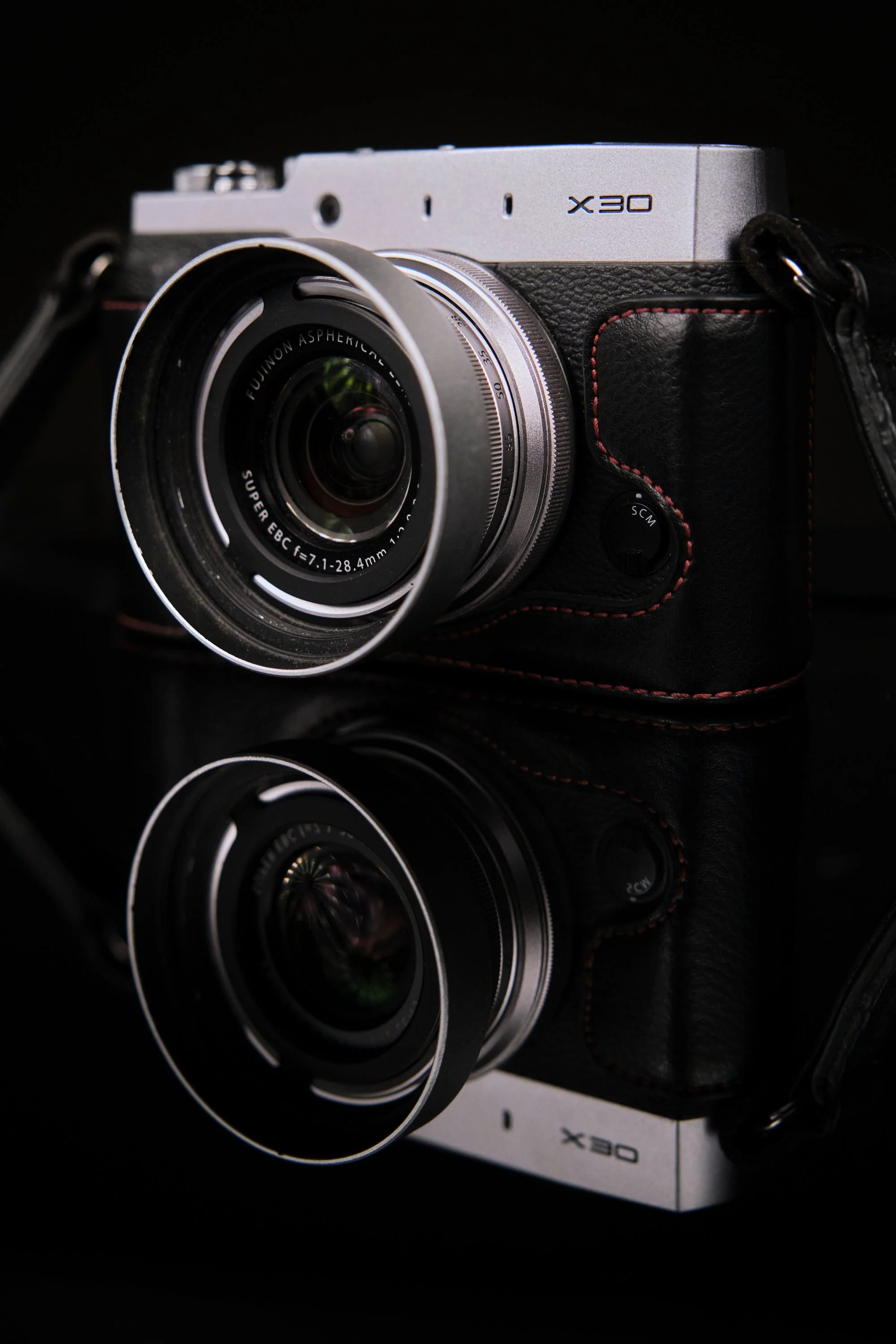
My personal relationship with the X30
My relationship with the X30 began at the end of 2019. Until then, I had been shooting with full-frame DSLRs. The cameras and lenses delivered top-notch image quality, but they came with a significant drawback: their size and, above all, their weight.
I was looking for a camera that offered sufficient image quality, good portability, and solid ergonomics for travel photography and everyday memory-keeping. I wanted a discreet camera that I could carry with me at all times.
Since I wanted to keep costs down, I turned my attention to older, used compact cameras with zoom lenses. At the time, the main contenders seemed to be the Fujifilm X30, along with similar offerings from Canon and Sony, all of which were capable of recording RAW files.
At first glance, the specifications appeared to favor the Sony and Canon models. Their main advantage was the larger 1-inch, 20-megapixel sensor, compared to the X30's 2/3-inch, 12-megapixel sensor. They also came in smaller and lighter bodies, theoretically offering both better image quality and greater portability.
In addition, the Sony and Canon lenses featured a similar maximum aperture to that of the X30, while providing wider coverage at the wide-angle end of the zoom range. Although they sacrificed some reach at the telephoto end, the wider field of view was particularly appealing to me, as I have always been drawn to wide-angle photography.
Beyond the specs
On paper, the Sony and Canon cameras appeared to have clear advantages in terms of image quality. However, specifications alone do not tell the whole story.
Beyond the numbers, the X30 offered a range of ergonomic features that more than compensated for its apparent disadvantages. These were not the kind of features that stand out on a specification sheet, but they had a direct impact on the shooting experience and ultimately proved decisive in my choice.
Larger size is not necessarily a negative thing
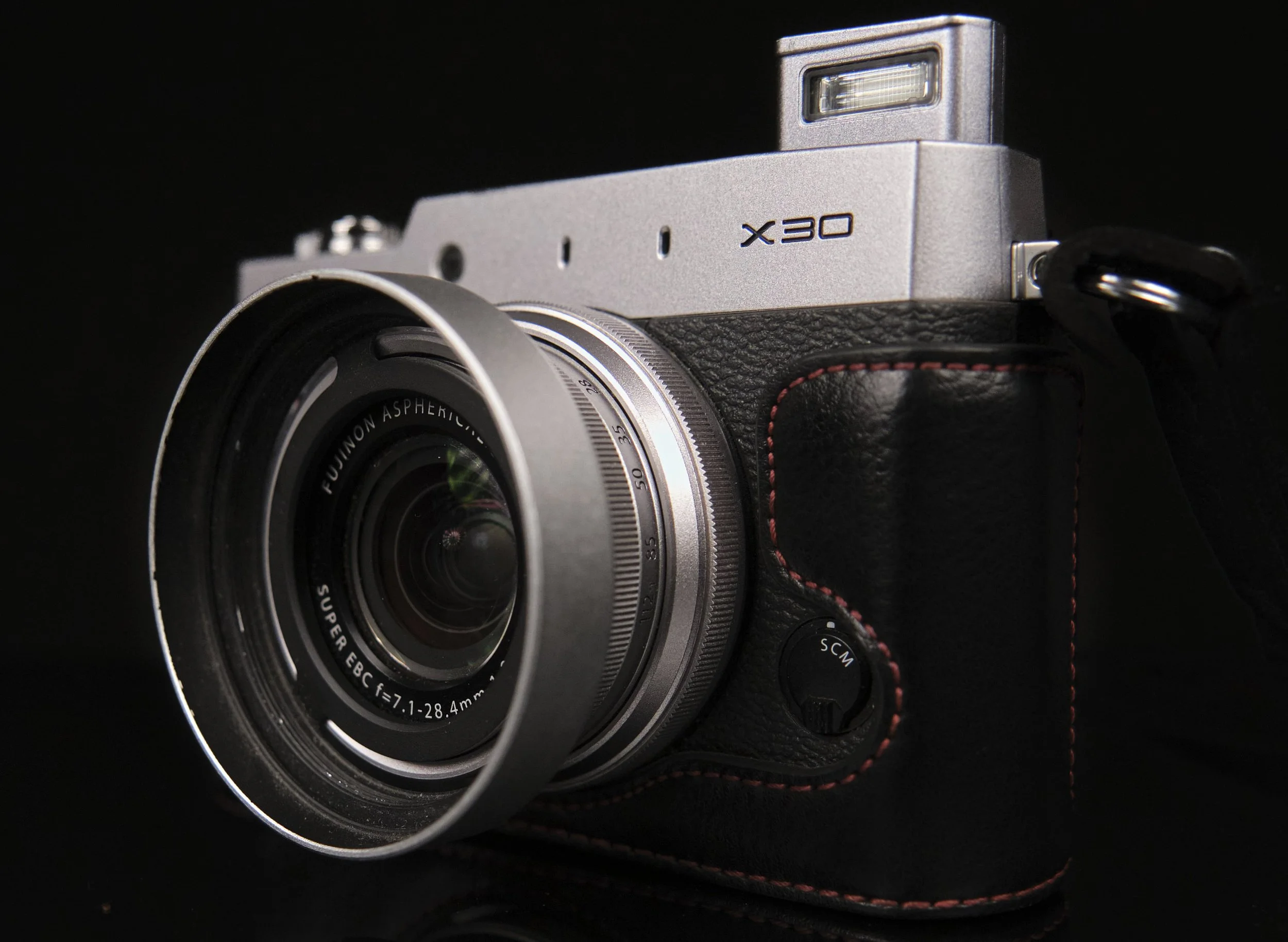
With dimensions of 119 × 72 × 60 mm (width, height, and depth), the X30 is not a camera that slips easily into a trouser pocket. In fact, it is one of the larger compact cameras of its era. However, for someone with large hands, like me, this is not necessarily a disadvantage.
The larger body allows for a more secure grip and provides enough space for the fingers to comfortably access the camera's controls. As a result, handling feels natural and intuitive, contributing to an overall shooting experience that is remarkably close to that of a larger interchangeable-lens camera.
At 423 grams, the X30 also strikes an excellent balance between solidity and portability. Carried around the neck on a leather strap, it remains comfortable enough to accompany me throughout the day without ever feeling burdensome.
Controls for full exposure control
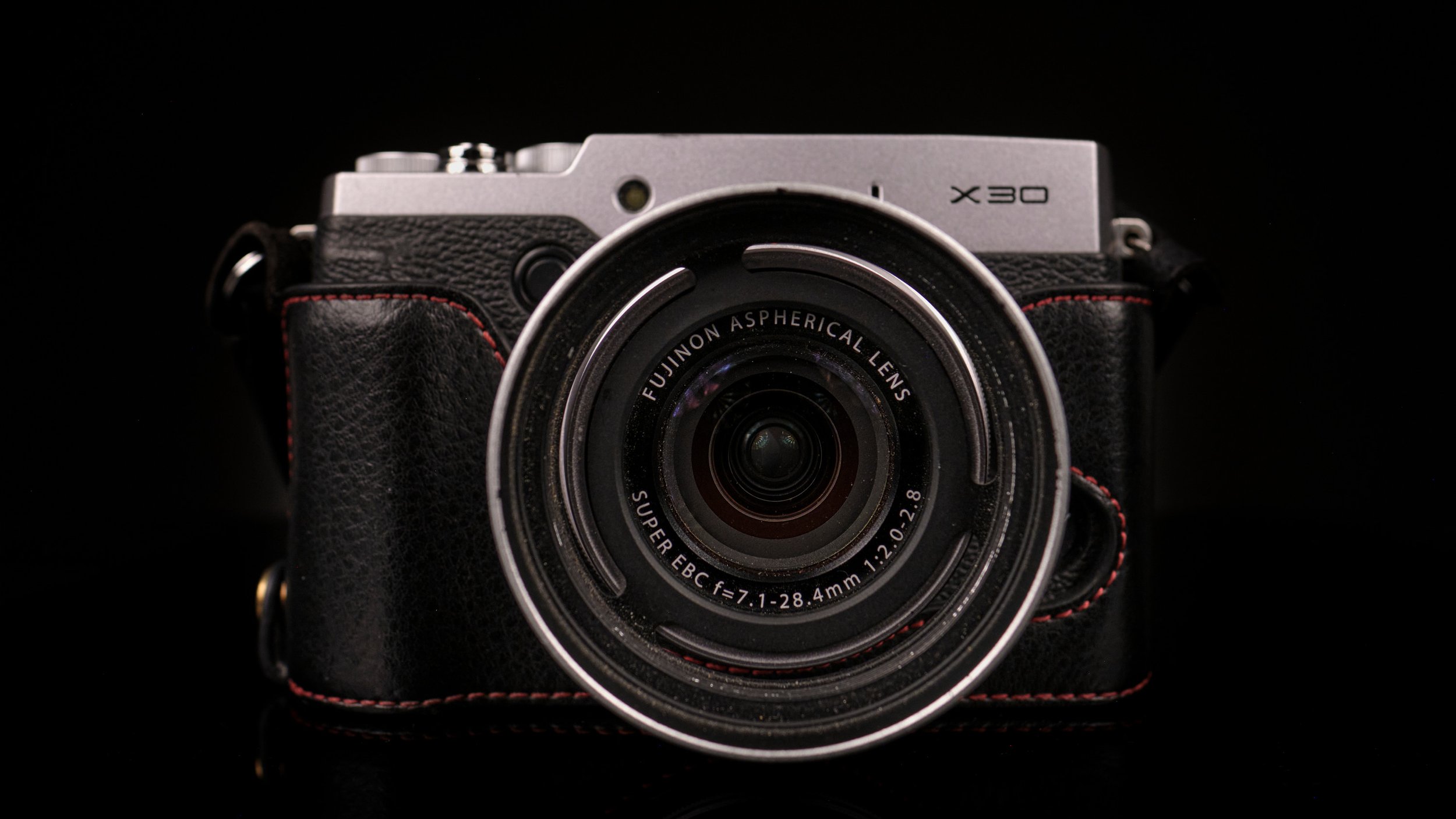
One of the X30's greatest strengths is its comprehensive set of external controls, which allow direct access to the three components of the exposure triangle—shutter speed, aperture, and ISO—without having to dive into menus.
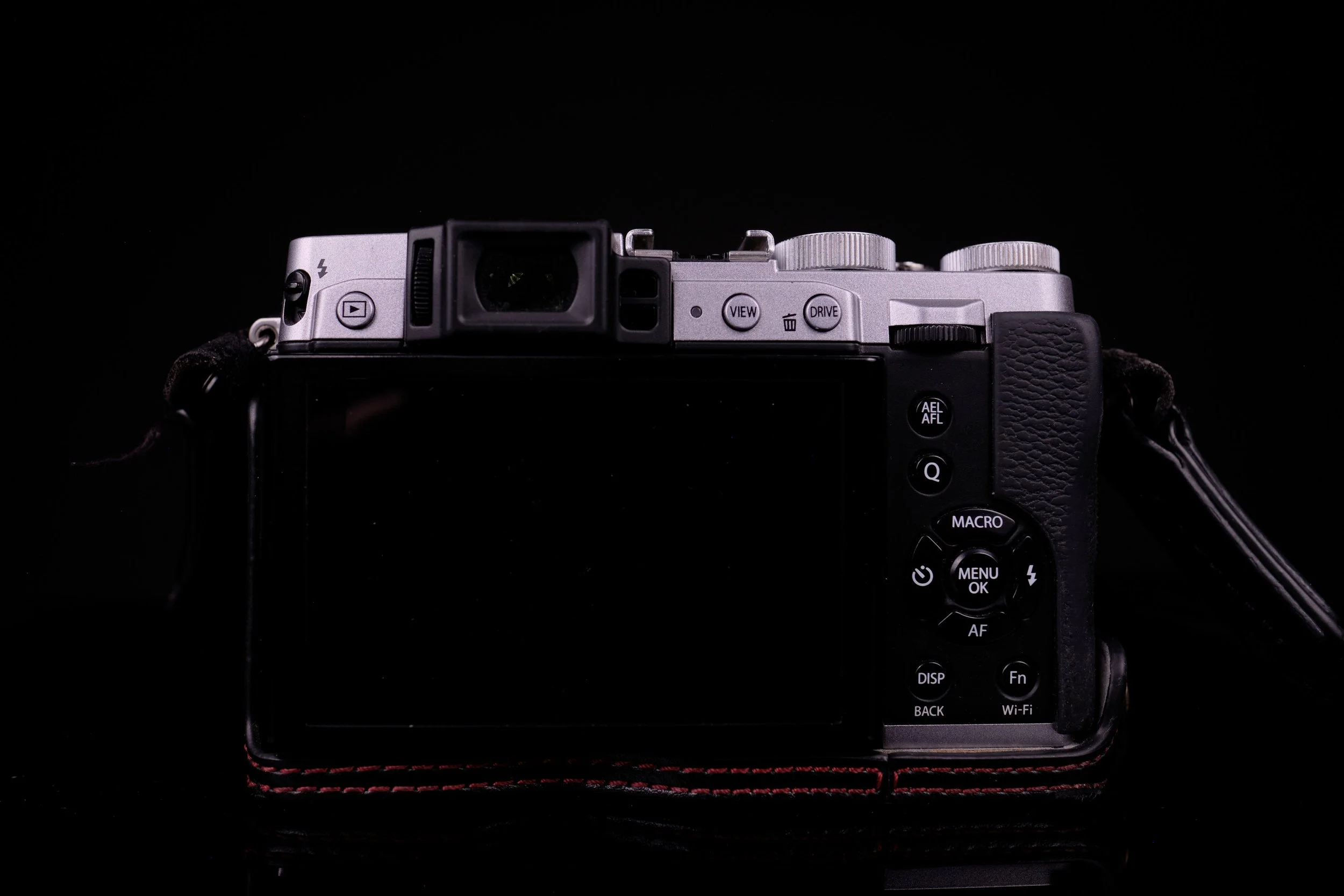
The camera features the classic PASM dial for selecting exposure modes, a rear command dial positioned on the upper right side of the body (which I have assigned to shutter speed), and a control ring around the lens (which I use to adjust aperture). In addition, there is a dedicated exposure compensation dial—particularly useful for fine-tuning exposure when shooting in Program, Shutter Priority, or Aperture Priority modes—and a customizable Fn button on the back of the camera, which I have assigned to ISO control.
This arrangement allows exposure settings to be adjusted quickly and intuitively, keeping the photographer's attention on the scene rather than on the camera's menus. Most importantly, the X30 offers a genuinely satisfying Manual mode, where all exposure parameters can be adjusted directly and independently, providing the level of control that experienced photographers appreciate.
Manual Zoom
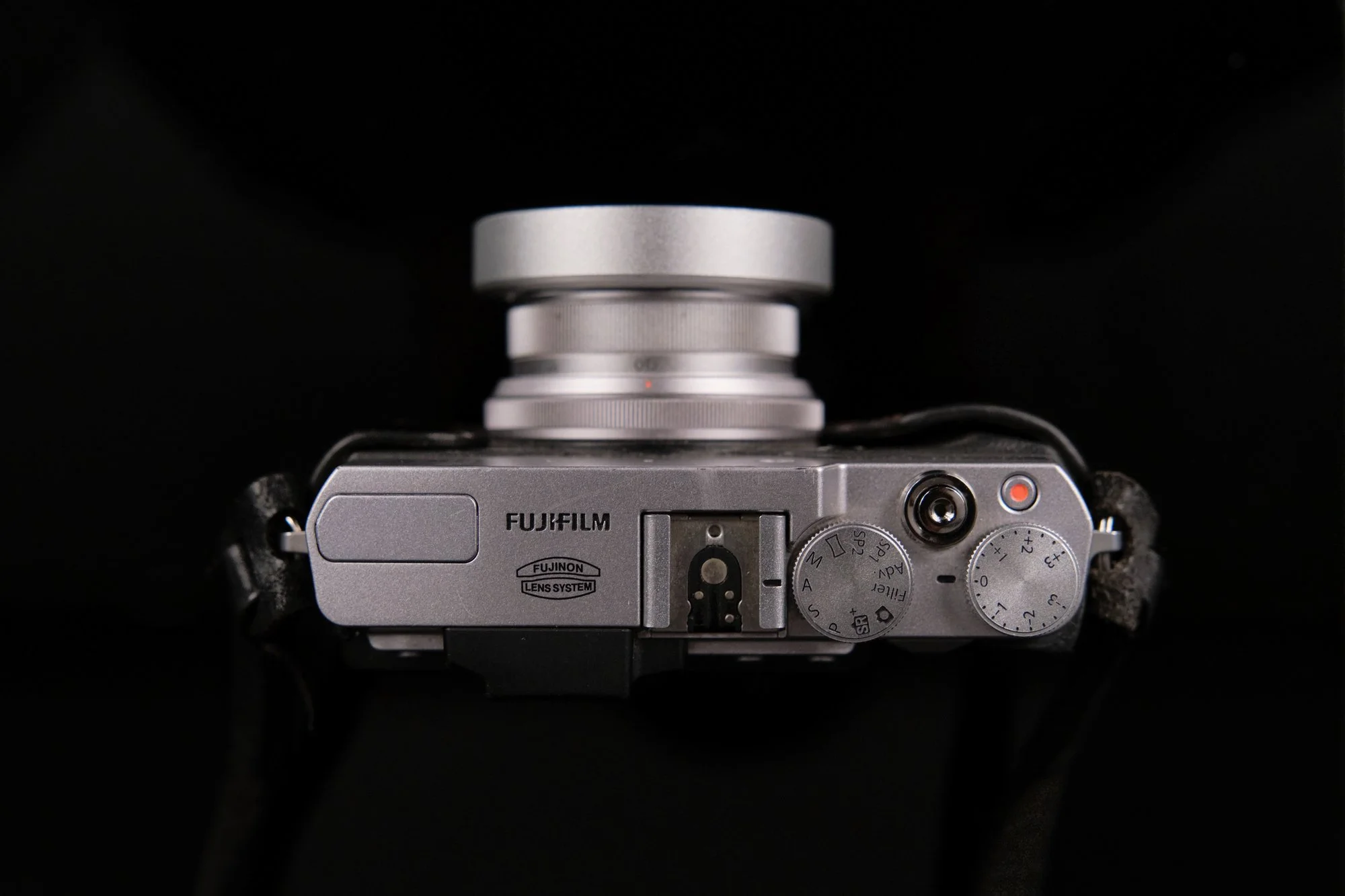
What truly sets the X30 apart from most other compact cameras is its manual zoom lens. Unlike the majority of compact cameras, where zooming is controlled electronically via W (wide-angle) and T (telephoto) buttons or a motorized zoom lever, the X30's zoom is operated manually by turning a zoom ring on the lens—just as one would with a DSLR or mirrorless camera lens.
This may seem like a small detail, but it fundamentally changes the shooting experience. The manual zoom is faster, more precise, and far more intuitive than a motorized system. It allows the photographer to select the desired focal length instantly, without waiting for the lens to zoom in or out electronically.
Adding to the appeal, the lens barrel is engraved with the equivalent focal lengths of 28, 35, 50, 85, and 112 mm. This is particularly useful for photographers who like to treat a zoom lens as a collection of prime lenses, working at familiar focal lengths rather than continuously zooming. A quick glance at the lens is all it takes to know exactly which field of view is being used.
For photographers accustomed to interchangeable-lens cameras, this manual zoom mechanism makes the X30 feel less like a typical compact camera and more like a serious photographic tool.
Leaf shutter
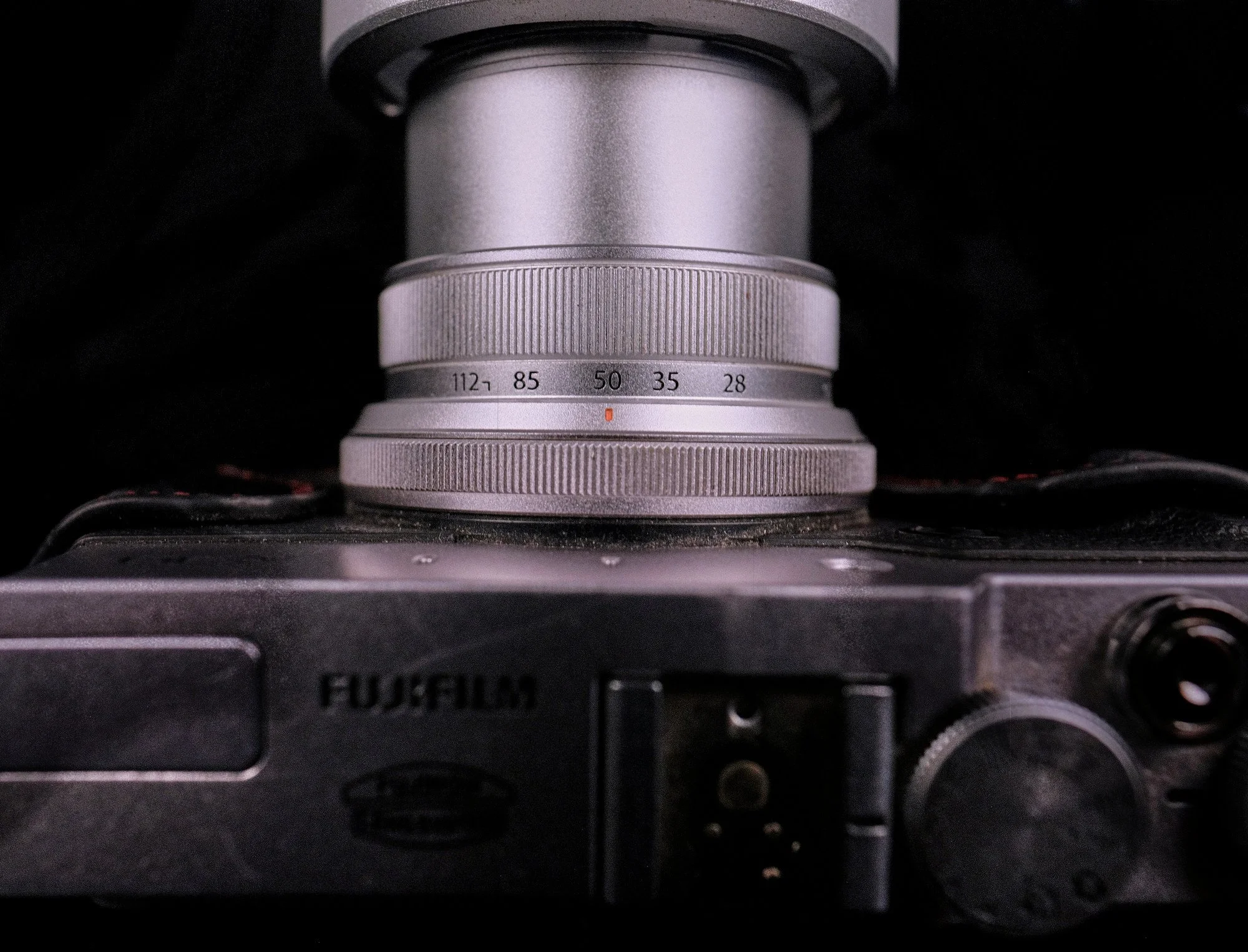
The X30 uses a leaf shutter rather than the focal-plane shutter commonly found in DSLR and mirrorless cameras. This design offers both advantages and limitations, some of which are quite different from what many photographers may be accustomed to.
One characteristic of the leaf shutter is that its maximum shutter speed depends on the selected aperture. At the lens's maximum aperture of f/2.0, the fastest available shutter speed is 1/1000 s. As the aperture is stopped down, higher shutter speeds become available, reaching a maximum of 1/4000 s.
The X30 does not feature an electronic shutter, so all exposures rely exclusively on the mechanical leaf shutter. In practical terms, this means that under bright lighting conditions—such as on a sunny day—the photographer may need to select a smaller aperture (higher f-number) to avoid overexposure. This can sometimes limit the ability to shoot wide open when abundant light is available.
On the other hand, the leaf shutter is exceptionally quiet, making the camera discreet and unobtrusive. It also allows flash synchronization at virtually any shutter speed, a significant advantage over most focal-plane shutter cameras and a feature that can be particularly useful for fill-flash photography in daylight.
Built-in flash
The Fujifilm X30 features a built-in pop-up flash, which is activated by sliding a switch located on the upper-left rear side of the camera. Despite its compact size, it supports a variety of flash functions and settings through the camera's menu system.
Naturally, the built-in flash cannot match the power, flexibility, or bounce capabilities of a dedicated external flash unit. Nevertheless, it remains a useful feature in situations where additional light is needed, such as extremely dark environments or for fill flash in portrait photography.
One of the advantages of combining a built-in flash with the X30's leaf shutter is the ability to synchronize flash at virtually any shutter speed. This makes fill-flash particularly effective outdoors, allowing photographers to balance bright backgrounds with properly exposed subjects.
For situations that require more power or creative lighting options, the X30 is equipped with a standard hot shoe, making it compatible with external flash units and other accessories.
Fujifilm Film Simulations
One of the defining features of the Fujifilm system is its Film Simulations. These are carefully designed color profiles that emulate the look and character of classic photographic films, allowing photographers to achieve a variety of visual styles directly in-camera.
Each Film Simulation adjusts parameters such as color rendition, contrast, saturation, and tonal response, giving images a distinctive aesthetic without requiring extensive post-processing. Whether aiming for vivid colors, muted tones, rich monochrome images, or a more documentary-style look, photographers can select a profile that matches their creative vision before pressing the shutter.
Film Simulations are particularly useful when shooting JPEGs. With accurate exposure and the appropriate profile selected, the resulting files often require little or no further editing, making them ideal for photographers who prefer a streamlined workflow.
Their usefulness extends beyond JPEG photography. When working with RAW files in software such as Capture One or Lightroom, many Fujifilm Film Simulations can be applied during the editing process as a starting point. This provides a strong creative foundation and can significantly reduce the time required to achieve the desired final look.
For many photographers, Film Simulations are more than a convenient feature—they are an integral part of the Fujifilm shooting experience and one of the reasons the system has developed such a loyal following.
Electronic viewfinder
With the X30, Fujifilm replaced the optical viewfinders found in the earlier X10 and X20 with a high-quality 2.36-million-dot OLED electronic viewfinder. At the time of its release, this was one of the camera's most significant upgrades.
A low-resolution electronic viewfinder can provide a frustrating shooting experience, but the benefits of a good EVF are difficult to overlook. The X30's viewfinder displays a sharp, detailed image with excellent color reproduction and contrast, making composition both enjoyable and precise.
Perhaps more importantly, it offers a real-time preview of the final image. Exposure adjustments are reflected instantly, eliminating the need to constantly monitor the light meter. White balance settings and the selected Film Simulation are also displayed accurately, allowing the photographer to see the creative effect before taking the shot.
The electronic viewfinder is equally valuable when reviewing images. In bright sunlight, where reflections can make the rear LCD difficult to see, the EVF provides a clear and reliable way to inspect photographs.
The X30 offered one of the finest electronic viewfinders available in a compact camera of its generation. More than a decade later, and even by 2025 standards, it remains perfectly usable and continues to provide a comfortable and enjoyable shooting experience.
Tilting screen
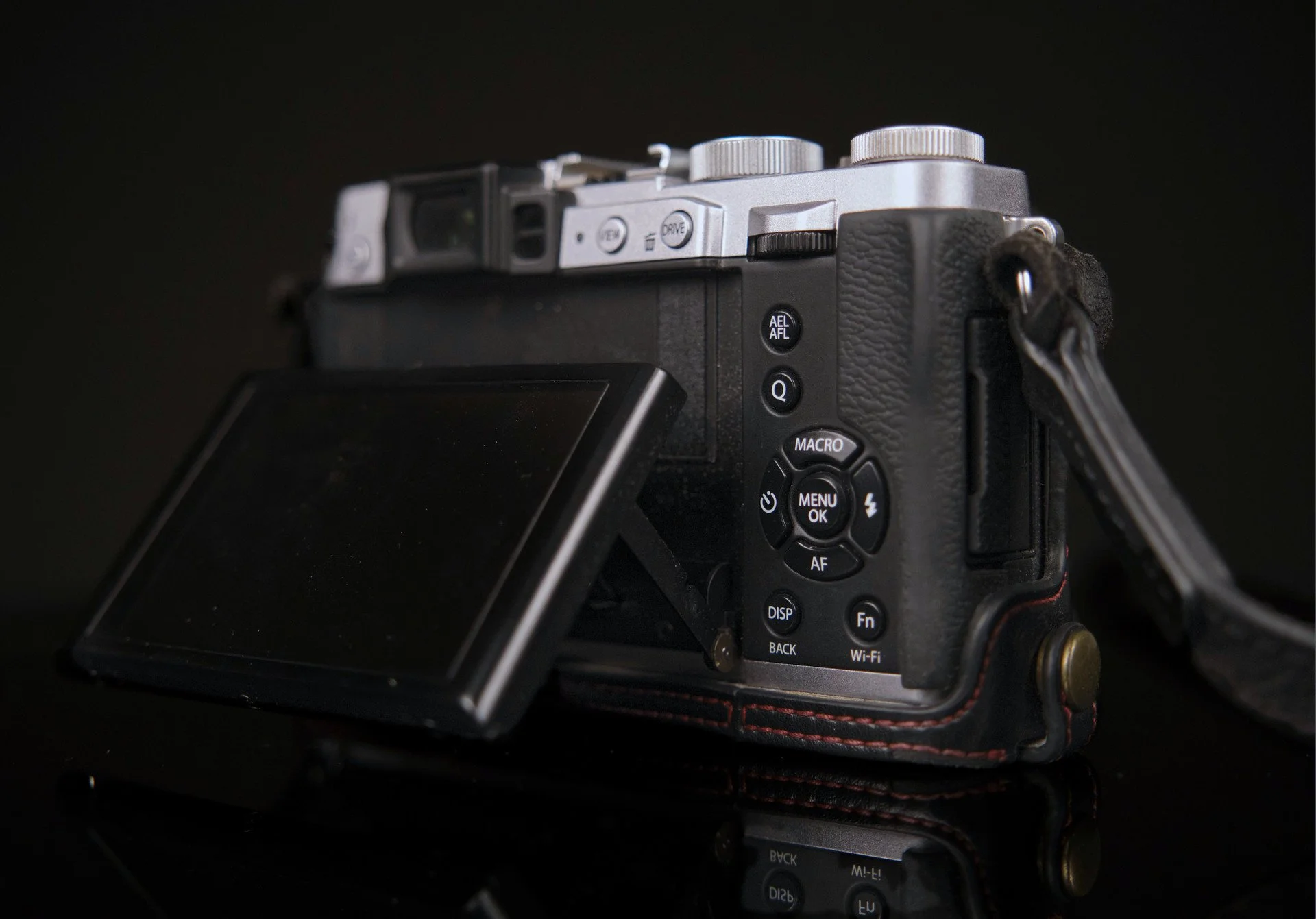
The X30 features a tilting rear LCD screen that moves along the camera's vertical axis. While it is not a fully articulating screen, it is a design that I personally find more practical for still photography.
The ability to tilt the screen makes composing images from high or low angles far more comfortable, while maintaining a shooting experience that feels natural and intuitive. Whether photographing from ground level, over a crowd, or simply experimenting with different perspectives, the tilting screen allows for greater flexibility without forcing the photographer into awkward positions.
Fully articulating screens undoubtedly offer advantages for video recording, particularly for vloggers and content creators who need to monitor themselves while filming. However, video has never been a primary use case for me—especially with the X30. As a photographer focused mainly on still images, I find the simpler tilting design to be a better fit for the way I work.
It is one of those features that may seem minor on a specification sheet, yet it significantly enhances the overall shooting experience in everyday use.
Focus system
The X30's autofocus system provides 49 focus points covering almost the entire frame, giving photographers considerable flexibility when composing their images. This broad coverage makes it easy to place the focus point exactly where it is needed, without having to focus and recompose.
The camera offers three focus modes: Single Autofocus (AF-S), Continuous Autofocus (AF-C), and Manual Focus (MF), covering the needs of most photographic situations.
Particularly noteworthy is the implementation of Manual Focus. The X30 includes focus peaking, a feature that highlights the areas of the image that are in focus during live view. This provides a clear visual aid, making manual focusing faster, more accurate, and considerably more enjoyable to use.
While the autofocus system cannot compete with the advanced subject-detection and tracking capabilities of modern cameras, it remains responsive and reliable for the types of photography for which the X30 was designed, including travel, street, landscape, and everyday photography.
Battery Life
The X30 uses the NP-95 battery, which is officially rated for up to 470 shots per charge. Even by today's standards, this remains an impressive figure for a compact camera and is among the strongest battery-life performances in its class.
In real-world use, the camera has consistently lived up to its reputation. Whether on day trips, city walks, or longer journeys, I never found myself running out of battery power. This reliability allowed me to focus on photography rather than constantly monitoring the battery indicator or carrying multiple spare batteries.
For a travel-oriented camera, battery life is often an overlooked specification. Yet it can have a significant impact on the overall user experience. In this regard, the X30 continues to perform exceptionally well, proving that practical usability can be just as important as technical specifications.
A camera that I always carry with me
The X30's compact dimensions, versatile zoom range, excellent battery life, and the surprisingly good quality of its RAW files at low ISO settings make it a highly capable everyday companion. It allows me to photograph a wide variety of subjects without having to deal with the weight and bulk typically associated with larger camera systems.
One of the X30's greatest strengths is that it encourages me to carry it everywhere. A camera left at home never takes photographs, and the X30 strikes an ideal balance between portability and capability, ensuring that it is almost always within reach when an opportunity presents itself.
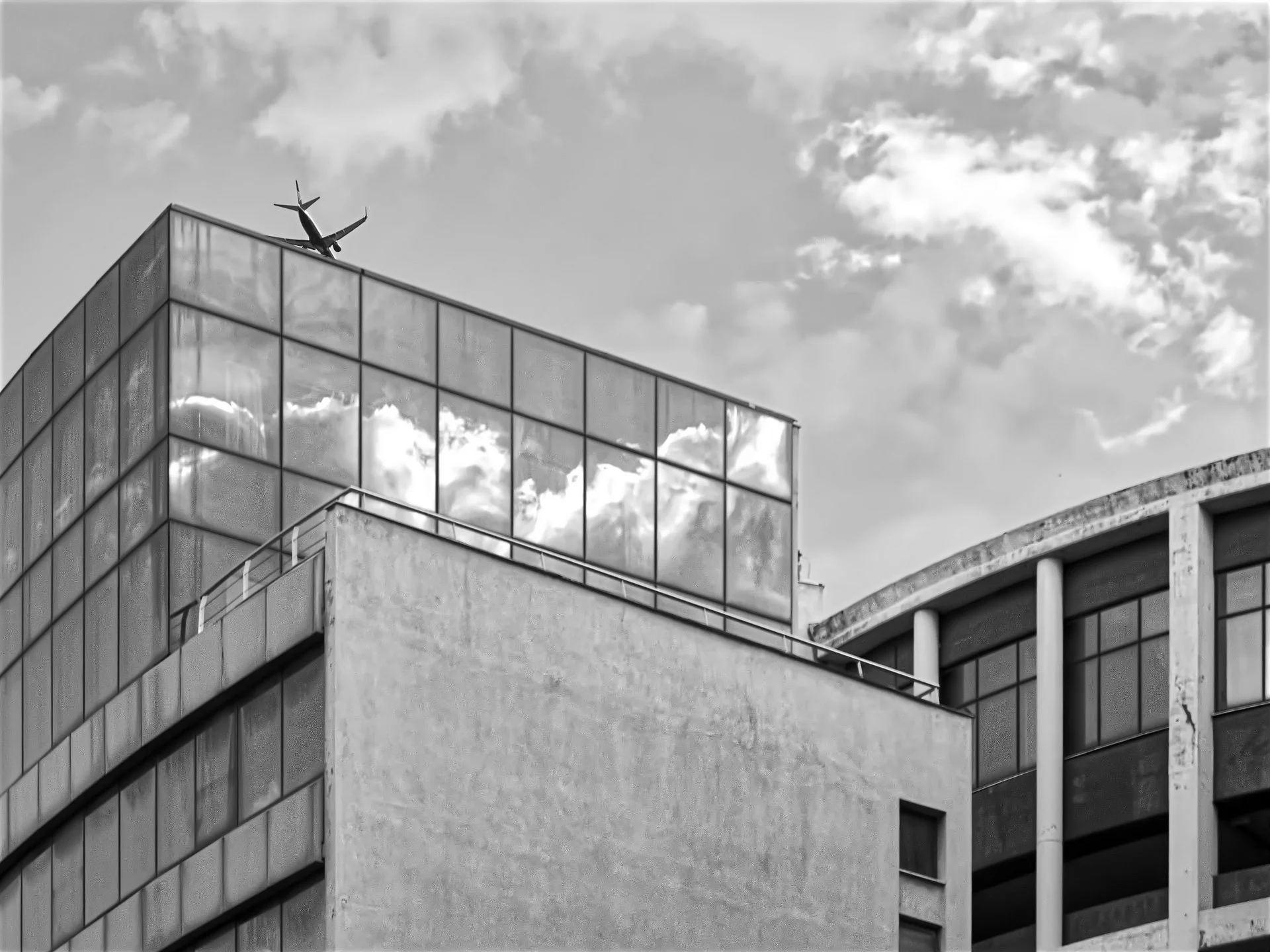
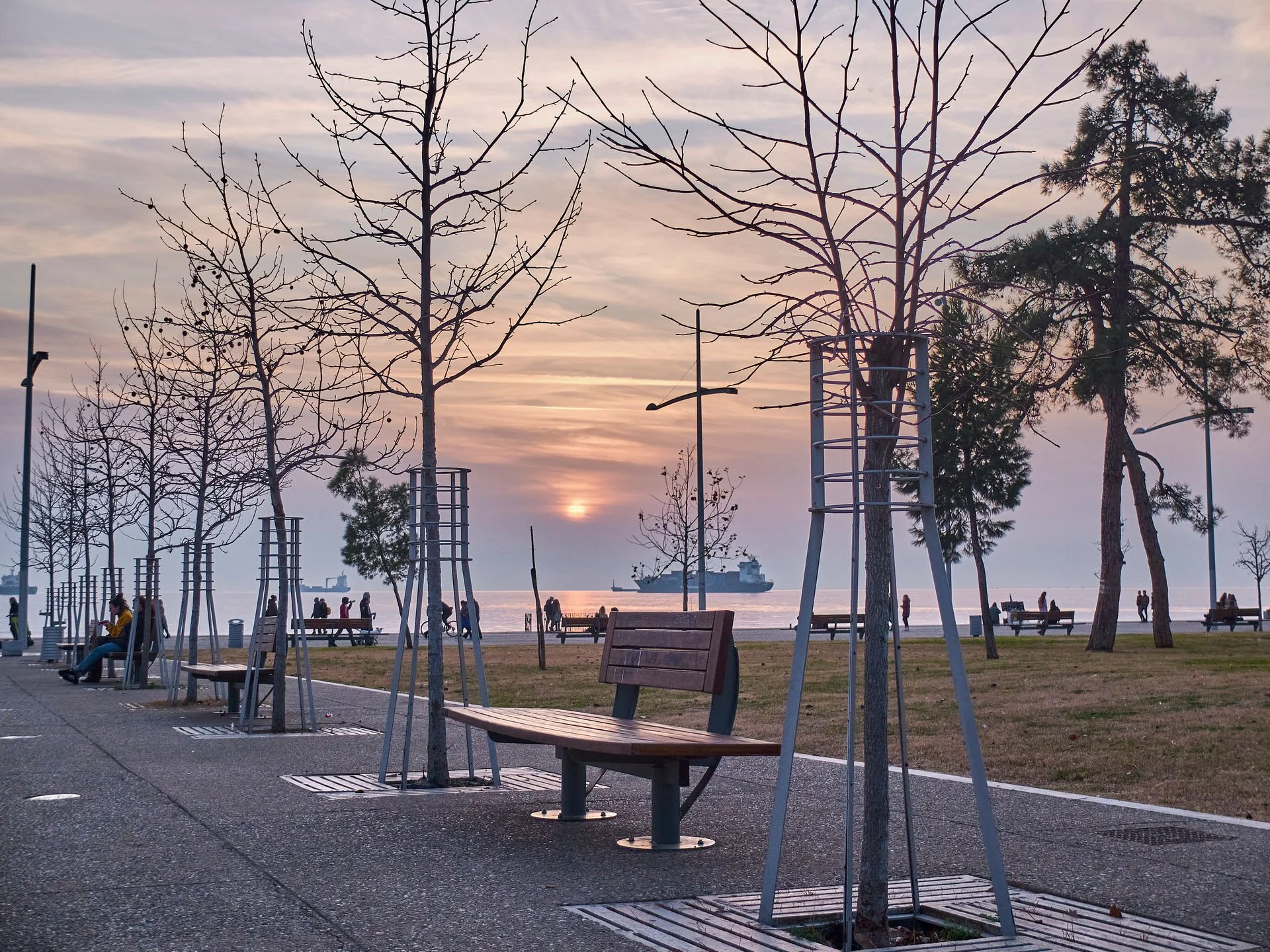
Living in a town with relatively low-rise buildings, I often enjoy photographing urban landscapes of nearby Thessaloniki. The camera's zoom range and image quality are more than sufficient for capturing cityscapes, architectural details, and the changing atmosphere of the urban environment. Having a camera that is always with me means that these moments can be recorded whenever the light, weather, or scene becomes interesting.




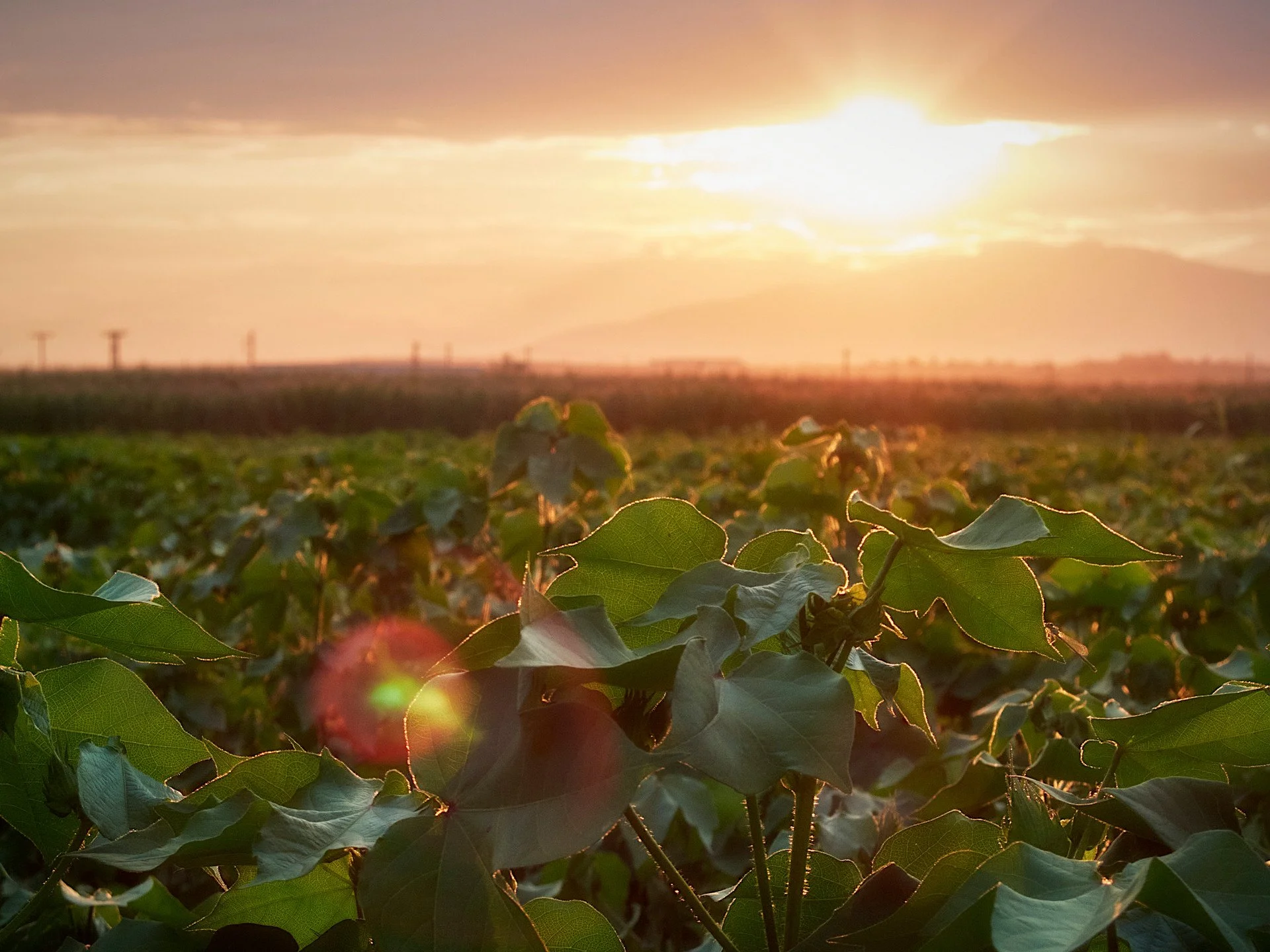
Or during cycling trips through the Axios Valley, where the X30's portability becomes even more valuable.

Travel Photography
Travel Photography
The primary reason I purchased the X30 was for travel photography. According to the International Association of Art Photographers (IAAP):
"A travel photograph captures the essence of a location, conveying the unique character and atmosphere of a place. It should reflect the natural beauty, cultural heritage, and distinctive features of the destination, providing viewers with a sense of the location's identity and spirit. Travel photography encompasses a wide range of subjects, including landscapes, cityscapes, seascapes, architecture, people, and customs, all of which contribute to the overall experience of the destination. The primary goal is to transport viewers to the location through the image, allowing them to explore and appreciate the world's diverse cultures and environments."
The X30 is exceptionally well suited to this type of photography. Its compact size, versatile zoom range, excellent battery life, and the adequate quality of its RAW files at low ISO settings make it capable of handling a remarkably diverse range of subjects. From sweeping landscapes and cityscapes to architectural details and everyday moments, the camera provides the flexibility needed for travel photography without the burden of carrying heavy and bulky equipment.
Perhaps most importantly, the X30 encourages photographers to keep a camera with them at all times. When exploring an unfamiliar place, opportunities for memorable photographs often appear unexpectedly, and having a lightweight camera that is always within reach can be more valuable than carrying a larger system that is left behind in the hotel room.






Landscape and nature photography
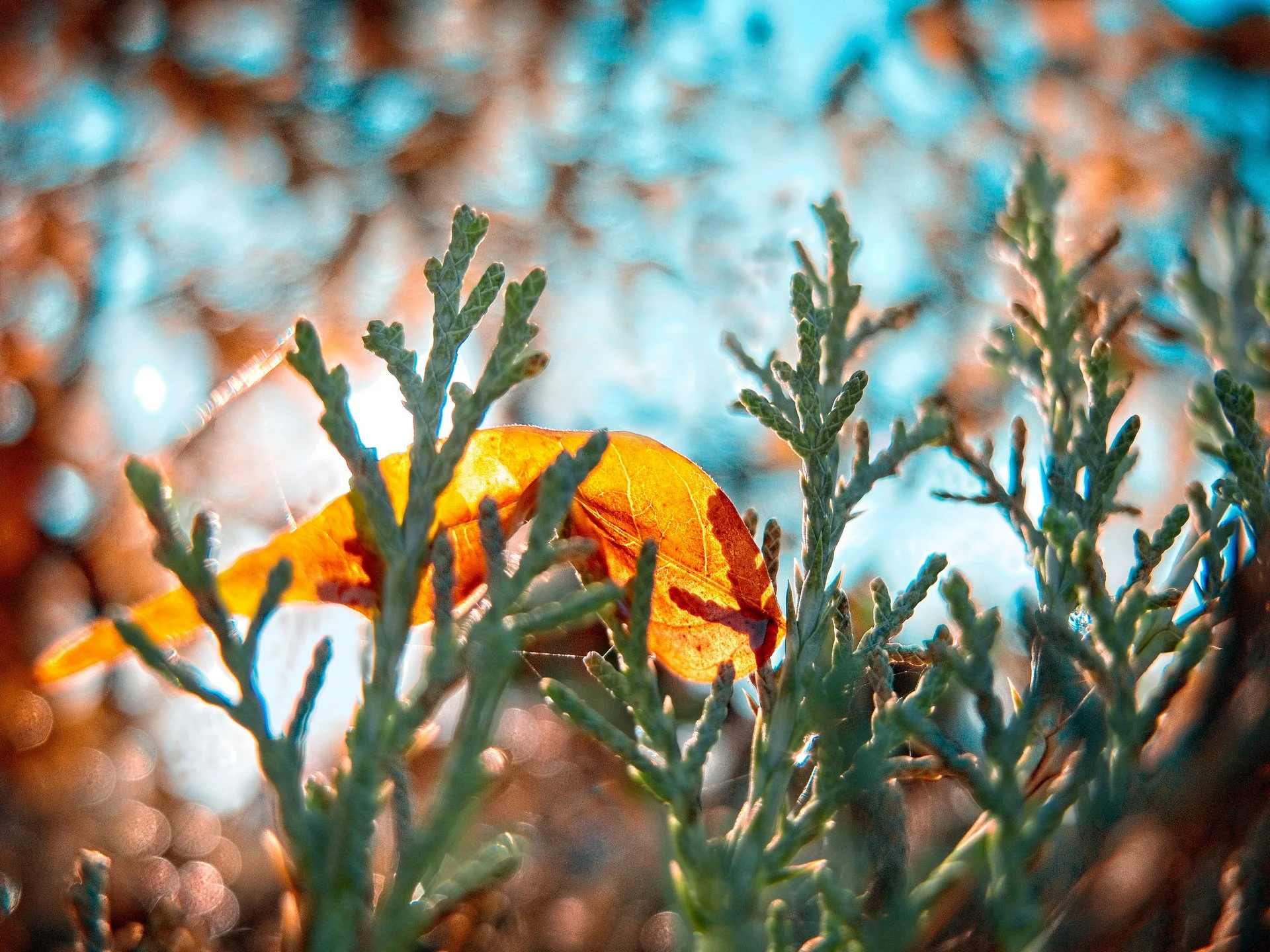
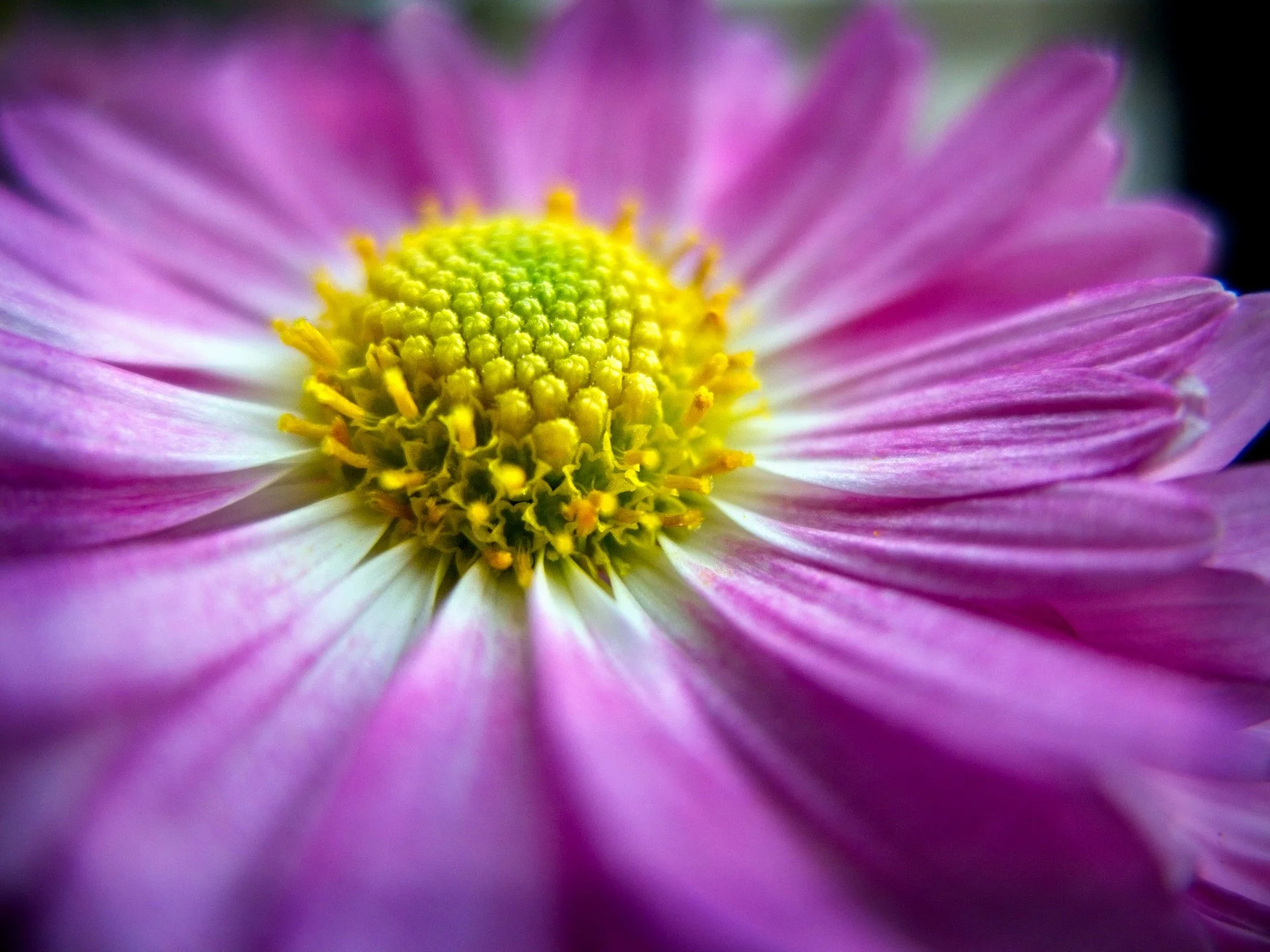
The X30 is surprisingly capable when it comes to landscape and nature photography. Its versatile zoom range, combined with the good quality of its RAW files at low ISO settings, allows it to capture scenes with a level of detail and tonal richness that often exceeds expectations for a camera with such a small sensor.


X30 also exhibits excellent macro capabilities:
Concert photography
Concert photography was not a genre for which I expected the X30 to excel. Nevertheless, I was curious to see how far I could push the camera in a demanding real-world situation.
The opportunity came in the summer of 2022, during a live performance by The Sisters of Mercy in Thessaloniki. Given the challenging lighting conditions typical of concerts—low light levels, strong contrast, rapidly changing stage illumination, and constantly moving performers—I approached the test with modest expectations.
After all, the X30's relatively small sensor is not the obvious choice for this type of photography. Yet one of the joys of using older cameras is discovering what they are capable of when used within their limits. The concert provided an ideal opportunity to evaluate the camera's performance in conditions far removed from the travel and landscape photography for which it is more commonly used.




Image quality
It goes without saying that the X30's sensor cannot compete on equal terms with the larger sensors found in modern DSLR and mirrorless cameras. Physics still matters, and the camera's 2/3-inch, 12-megapixel sensor inevitably imposes certain limitations, particularly in areas such as dynamic range, high-ISO performance, and ultimate resolution.
However, judging the X30 solely by sensor size would be a mistake. The camera is more than capable of producing images suitable for serious photographic work. When used within its strengths—particularly at low ISO settings and with careful exposure—it can deliver photographs with excellent color, pleasing tonality, and sufficient detail for large prints and exhibition use.
In fact, several photographs I have taken with the X30 have been accepted for display in galleries and international photography exhibitions, demonstrating that artistic and documentary value are not determined by sensor size alone.
One such example is the photograph below, which was selected for inclusion in the Capture the Moment exhibition, organized by Myro Gallery in Thessaloniki in 2023. For me, it serves as a reminder that compelling photographs are created by vision, timing, and composition—not merely by technical specifications.

Another example is the photograph below, which was selected for the Botanicals exhibition organized by Decagon Gallery in New York in 2025.

The X30 is also capable of producing photographs that are not only accepted but also recognized in competitions organized by the International Association of Art Photographers (IAAP).
![Evaggelos Gkikas (Greece) - Rhinoceros [C2].jpg](https://images.squarespace-cdn.com/content/v1/6585f0d63d14575e75cbfa89/1764761320149-B4T9NPLDF3RNSMY5SYAH/Evaggelos+Gkikas+%28Greece%29+-+Rhinoceros+%5BC2%5D.jpg)
![Evaggelos Gkikas (Greece) - DSCF4594 [K2].jpg](https://images.squarespace-cdn.com/content/v1/6585f0d63d14575e75cbfa89/1764761327349-TNS852XB7B3Q6DNO0AHO/Evaggelos+Gkikas+%28Greece%29+-+DSCF4594+%5BK2%5D.jpg)
![Evaggelos Gkikas (Greece) - OTE Tower [I2].jpg](https://images.squarespace-cdn.com/content/v1/6585f0d63d14575e75cbfa89/1764761332986-C01UM1SIQNM2IQNYROC1/Evaggelos+Gkikas+%28Greece%29+-+OTE+Tower+%5BI2%5D.jpg)
![Evaggelos Gkikas (Greece) - Sunset at the harbor [I2].jpg](https://images.squarespace-cdn.com/content/v1/6585f0d63d14575e75cbfa89/1764761367410-2TXIEM3VNMF89ASUAYBD/Evaggelos+Gkikas+%28Greece%29+-+Sunset+at+the+harbor+%5BI2%5D.jpg)
![Evaggelos Gkikas (Greece) - Monument to the Unknown Soldier [K3].jpg](https://images.squarespace-cdn.com/content/v1/6585f0d63d14575e75cbfa89/1764761374726-CSG1QM7P28CAUTC14PQX/Evaggelos+Gkikas+%28Greece%29+-+Monument+to+the+Unknown+Soldier+%5BK3%5D.jpg)
![Ευάγγελος Γκίκας (Greece) - Stoa of Attalos [C4].jpg](https://images.squarespace-cdn.com/content/v1/6585f0d63d14575e75cbfa89/1764761380404-SVPKR5953Y8H9V0UWFUZ/%CE%95%CF%85%CE%AC%CE%B3%CE%B3%CE%B5%CE%BB%CE%BF%CF%82+%CE%93%CE%BA%CE%AF%CE%BA%CE%B1%CF%82+%28Greece%29+-+Stoa+of+Attalos+%5BC4%5D.jpg)
In conclusion
In an era dominated by high-resolution sensors, advanced autofocus systems, and increasingly sophisticated computational photography, the X30 remains a surprisingly capable and enjoyable camera. Its unique combination of tactile controls, excellent ergonomics, high-quality lens, and distinctive image rendering continues to make it a compelling choice for photographers who value the shooting experience as much as the final image.
In reality, there are many affordable cameras capable of delivering outstanding image quality. The secret lies in understanding your priorities, identifying the features that truly matter to your photography, and keeping your expectations grounded in reality.
For me, the Fujifilm X30 was far more than just another camera purchase. It proved to be such a rewarding and inspiring tool that, only a few months after acquiring it, I made the bold decision to sell all of my existing photographic gear and fully embrace the Fujifilm X system—a journey that continues to this day.